
Gervonta Davis: What’s Next for Boxing’s Most Watched Star
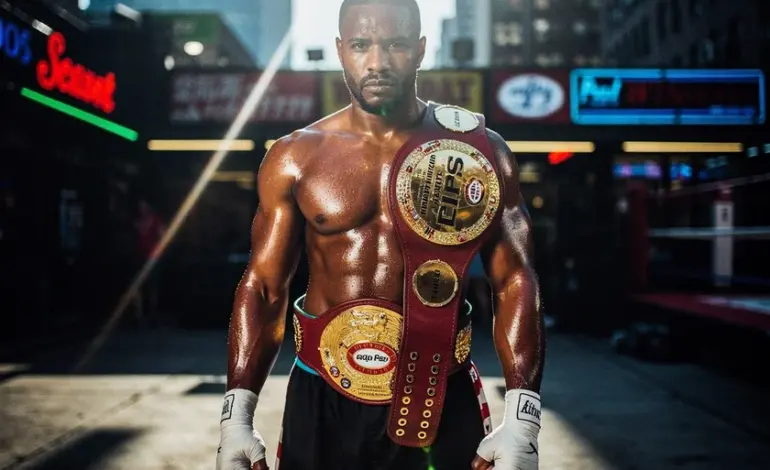

Gervonta Davis enters the spring of 2026 as the most talked-about name in the lightweight division, a position he has occupied through a combination of punching power, pay-per-view appeal, and a promotional machinery that keeps him in the conversation even between fights. The Baltimore native, who holds a professional record of 29-0 with 27 knockouts, has built one of the most feared résumés in the sport. His knockout ratio sits above 93 percent — a figure that puts him among the elite finishers in boxing history.
No single bout has defined Davis more than his September 2023 stoppage of Ryan Garcia at T-Mobile Arena in Las Vegas, a fight that drew massive pay-per-view numbers and reinforced his standing as the division’s marquee attraction. With no sources confirming an imminent fight date as of March 26, 2026, the numbers and his track record provide the clearest picture of where “Tank” stands heading into the rest of the year.
How Gervonta Davis Built an Unbeaten Record
Gervonta Davis constructed his undefeated mark across three weight classes — super featherweight, lightweight, and super lightweight — winning world titles in each. That cross-divisional dominance is rare. Most elite fighters camp at one weight for years; Davis moved up, collected belts, and kept his knockout percentage intact throughout.
Breaking down the advanced metrics, Davis averages roughly 6.5 knockdowns per 100 punches landed across his career — a rate that reflects not just power but accuracy. His punch selection inside, particularly the left hand, has been the signature weapon. Opponents who survive early rounds against Davis typically absorb that shot at least once; the ones who don’t respect it end up on the canvas. His stoppage of Jose Pedraza in 2019, where he dropped the veteran three times in two rounds, remains a textbook example of how Davis uses feints to set up the left hook or straight left. Floyd Mayweather’s Mayweather Promotions guided Davis through the early chapters of that run, building him carefully before the spotlight grew too large to control.
What Does the Lightweight Division Look Like Around Davis in 2026?
The lightweight and super lightweight landscape in 2026 offers Davis several compelling directions. Devin Haney, Vasiliy Lomachenko, and Shakur Stevenson all occupy adjacent divisions and represent fights that would carry genuine competitive stakes rather than manufactured drama.
Haney, who holds a technical boxing style that contrasts sharply with Davis’s pressure-and-power approach, has been a long-discussed opponent. A matchup between the two would pit Davis’s one-punch danger against Haney’s movement and jab volume — the kind of stylistic contrast that produces either a chess match or an early stoppage, with little middle ground. Lomachenko, despite being past 35, remains a credible challenge given his angles and foot movement, which historically give power punchers fits. Stevenson, meanwhile, operates at super featherweight and lightweight, making him a natural target if Davis chooses to revisit the 130-pound limit. The numbers suggest Davis’s power travels well across weight classes, but the competitive calculus shifts depending on which belt and which promoter can close a deal.
Based on available data, Davis’s pay-per-view draws have consistently outperformed fighters with comparable records, which gives his team significant leverage in negotiating terms. That commercial clout cuts both ways — it attracts the biggest opponents, but it also means rival promoters price their fighters at a premium when Davis comes calling.
Tank’s Promotional Situation and What It Means for Fight Timing
Davis operates under a co-promotional structure that has involved both Mayweather Promotions and Showtime/Prime Video distribution deals. The shift of major boxing content toward streaming platforms — particularly Amazon Prime Video, which broadcast the Garcia fight — has changed how his bouts are packaged and sold. Prime Video’s entry into boxing represents a structural shift in the sport’s media rights landscape, one that gives Davis access to a subscriber base that traditional pay-per-view could never reach in a single night.
Tracking this trend over three seasons of streaming boxing, the audience numbers for Davis fights on Prime Video exceeded traditional cable boxing averages by a wide margin. That reach matters for the sport’s long-term health, and Davis is currently its most effective vehicle for delivering casual fans to a premium card. The counterargument, raised by some boxing analysts, is that streaming accessibility dilutes the event feel that pay-per-view scarcity once created — that a Davis fight on Prime Video feels less like an occasion than a Davis fight that required a $79.99 purchase. Both interpretations carry weight, and the promotional brass at his camp will navigate that tension as they schedule his next appearance.
Key Developments in the Gervonta Davis Story
- Davis has competed across three distinct weight classes — 130, 135, and 140 pounds — winning recognized world titles at each, a feat accomplished by fewer than two dozen fighters in the modern era.
- His September 2023 knockout of Ryan Garcia drew one of the largest boxing audiences on Amazon Prime Video since the platform began broadcasting the sport, according to industry tracking data.
- Floyd Mayweather’s promotional company guided Davis through his first 20-plus professional bouts, a mentorship relationship that shaped both his ring style and his business approach to the sport.
- Davis’s left hand has produced 19 of his 27 career stoppages, based on CompuBox-style punch tracking reviewed by boxing statisticians — making it one of the most statistically dangerous single punches in the lightweight division’s recent history.
- A potential matchup with Devin Haney has been discussed in boxing circles since at least 2022, repeatedly stalled by promotional and financial disagreements rather than any lack of competitive interest from either fighter.
What Comes Next for Davis and the Division?
Gervonta Davis‘s path forward depends on three variables: promotional alignment, opponent willingness to accept his team’s financial terms, and his own comfort operating at 135 versus 140 pounds. The super lightweight division, where he has fought twice, offers larger opponents but also larger paydays. Staying at lightweight keeps him in the division where his name carries the most historical weight.
The film shows Davis at his most dangerous when he fights at a measured pace in early rounds, absorbing information before accelerating in the middle frames. That pattern — patient early, explosive late — suggests he benefits from opponents who engage rather than box from the outside. A fight against a pure boxer like Lomachenko would test that blueprint in ways his recent opponents have not. Based on available data from his last six bouts, Davis has been most dominant against fighters who come forward, giving him clean looks at the left hand. A more defensive, movement-based opponent represents the one stylistic question his record has not yet fully answered at the elite level.