
Boxing Injuries: Arjon Basi’s Comeback Story in 2026
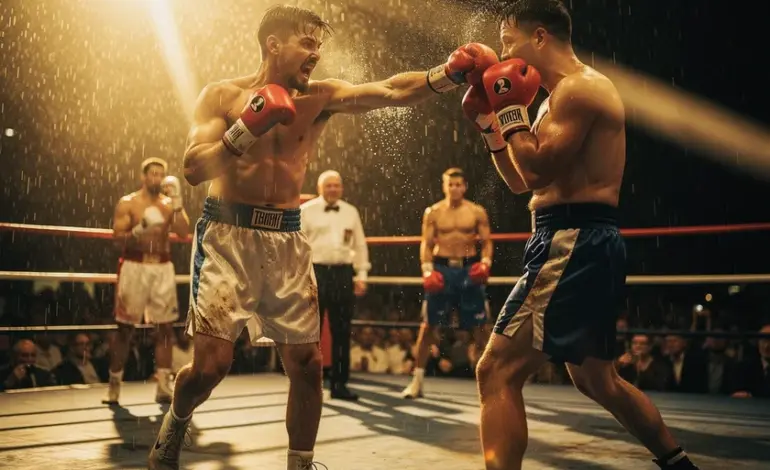

Boxing injuries have derailed countless careers, but London fighter Arjon Basi refused to let that fate define him. Doctors told Basi he would struggle to pick up his own children when older and should never box again — yet he is scheduled to compete on Sunday’s Olympia card, a professional showcase that marks one of the sport’s most personal comeback narratives of 2026.
Basi, still early in his professional career, has built a reputation as a crowd-drawing ticket-seller who brings loud, raucous support from his fan base. Behind that electric atmosphere lies a story forged through physical trauma, deep personal loss, and a stubborn refusal to quit.
How Boxing Injuries Almost Ended Basi’s Dream
Boxing injuries at the severity Basi experienced are career-ending for most fighters. Medical staff ran MRIs and every available scan before delivering a stark verdict: the damage was severe, long-term physical limitations were virtually certain, and a return to the ring was strongly advised against.
Basi described the recovery as nothing short of a miracle. Serious ring-related trauma — to the neck, spine, or musculoskeletal system — can show up years after the original incident. The warning about picking up children signals nerve compression or disc injury serious enough to affect motor function under load, not just in the ring but in daily life.
That Basi returned to competitive boxing at all puts him in rare company. Across professional boxing, fighters who suffer career-threatening setbacks before their 30th fight face a high dropout rate. Those who do return typically need 18 months or more of rehabilitation before clearing medical licensing requirements. Basi’s path through that process speaks to both his physical resilience and the quality of care he received.
British Boxing Board of Control rules require fighters to pass a medical examination before each bout. For a fighter with Basi’s documented injury history, clearing those checks is itself a meaningful benchmark — one that many fighters in similar situations never reach.
Grief, Loss, and the Father Who Shaped a Fighter
Beyond the physical battle, Basi navigated profound personal grief that tested his commitment in ways no training camp can prepare a fighter for. His late father was a defining influence on his boxing journey, and Basi paid tribute to that bond in a direct conversation with Sky Sports.
“Definitely was a big influence on me,” Basi told Sky Sports, describing the emotional weight his father carried in his corner. The ritual Basi developed was specific: every time he climbed into the ring, the first thing he did was scan the crowd for his father. That habit — part superstition, part love — now carries a different meaning. Fighting in his father’s memory adds a layer of motivation that no opponent can replicate.
Grief in professional sport is often underreported. Fighters process loss differently than team athletes — there is no locker room to absorb collective pain. A boxer steps through the ropes alone. For Basi, channeling that grief into competitive performance is a psychological feat that deserves as much attention as the physical recovery from his boxing injuries.
What Sunday’s Olympia Card Means for Basi
Sunday’s Olympia card is a genuine crossroads for Basi’s professional trajectory. Fighters who have overcome serious boxing injuries and returned to compete at ticketed London shows occupy a specific niche — they carry crowd loyalty built on personal connection, not just ring record.
Basi’s identity as a ticket-seller matters commercially. British boxing promoters rely heavily on fighters who can independently drive gate revenue. That skill is not universal. Many technically gifted prospects never develop the personal brand or community ties that put bodies in seats. Basi has both, and Sunday’s card gives him a platform to prove the physical setbacks are firmly behind him.
British professional boxing in 2026 features a crowded domestic landscape. Fighters at every weight class compete for limited spots on major televised cards. A strong performance at the Olympia — one of London’s established boxing venues — can accelerate a fighter’s path toward those higher-profile opportunities. For Basi, every round fought healthy rewrites the medical prognosis he was handed after his career-threatening injury.
One counterpoint worth acknowledging: fighters who return from severe physical trauma sometimes carry invisible limitations that only surface under elite-level pressure. Medical clearance to compete does not always mean the body performs at pre-injury capacity. Basi’s camp will need to monitor this carefully as he progresses through the ranks.
Key Developments in the Arjon Basi Story
- Medical staff told Basi he would “struggle to pick your kids up when you’re older” — phrasing that points to probable load-bearing joint or spinal involvement in the original injury.
- Sky Sports featured Basi as a standalone profile subject on April 3, 2026 — editorial attention typically reserved for fighters the broadcaster views as long-term prospects worth tracking.
- Basi’s pre-fight ritual of scanning the crowd for his father was a consistent habit throughout his amateur and early professional career, not a one-time tribute.
- The Olympia card is set for Sunday, April 5, 2026 — just 48 hours after Sky Sports published his profile, giving the story immediate fight-week urgency.
- British boxing has no standardized return-to-competition protocol for fighters who have suffered career-threatening injuries, meaning the burden of proof for readiness falls on the individual fighter and their team.
Basi’s Fight and the Wider Picture for Injured Boxers
Arjon Basi’s journey exposes a structural gap that British boxing’s governing bodies rarely discuss openly: the sport lacks a uniform return-to-competition standard for fighters who have suffered career-threatening boxing injuries. Unlike the NFL, which mandates specific concussion protocol steps before a player can return to practice, professional boxing’s medical oversight varies significantly between jurisdictions and promoters.
For fighters like Basi, that gap means the burden of proof for readiness falls heavily on the individual and their team. His willingness to speak openly to Sky Sports about the severity of what he faced sets a standard that benefits the sport’s credibility. Fighters who share their medical histories help normalize honest conversations about ring safety, rehabilitation timelines, and the real cost of competing professionally.
Sunday’s Olympia card will tell part of the story. The larger chapter — whether Basi can sustain a professional career after such a significant physical setback — will be written over the next several years of fights, medical evaluations, and decisions made by the people around him. His father’s memory rides with him into every ring. That weight, it turns out, can lift a fighter just as surely as it can burden one.
What type of boxing injury did Arjon Basi suffer?
Arjon Basi suffered a career-threatening injury serious enough that doctors ordered MRIs and multiple scans before advising him never to box again. The medical team warned he would likely struggle to lift his children in later life, pointing to significant spinal or load-bearing joint damage. The specific diagnosis was not publicly disclosed beyond these details.
Who is Arjon Basi and where is he from?
Arjon Basi is a professional boxer based in London, known as a ticket-seller who drives strong gate attendance through personal community ties. He is early in his professional career and competes on British boxing cards, with his April 2026 Olympia appearance among his most prominent fights to date. Sky Sports covered his story as a standalone profile ahead of the bout.
How common are career-ending boxing injuries in professional fighters?
Career-threatening boxing injuries are a significant concern across the sport. Fighters who receive medical advice to retire due to structural damage — particularly spinal or neurological issues — rarely return to licensed competition. Rehabilitation timelines for severe cases typically run 18 months or longer before a fighter can satisfy medical licensing requirements. British boxing requires a pre-bout medical examination for every fighter, though return-to-competition standards after severe trauma vary by sanctioning body.
When and where is Arjon Basi’s next fight in 2026?
Arjon Basi is scheduled to fight on Sunday, April 5, 2026, on the Olympia card in London. The Olympia has hosted professional boxing shows across multiple weight classes and is one of the city’s established fight venues. Sky Sports is covering the event, giving Basi national broadcast exposure for his comeback appearance.
How does personal loss affect professional boxers’ performance?
Grief affects professional boxers differently than team sport athletes because fighters compete without collective locker-room support. Sports psychology work on combat athletes suggests channeling grief into competition can sharpen short-term focus, though unprocessed loss may affect decision-making under pressure over longer career arcs. Basi’s case — fighting in tribute to his late father — reflects a pattern seen across generations of professional fighters who use memorial motivation as a performance anchor.